
When decorators compare heat transfer vinyl, they usually look at colour, finish and price. But one of the most important technical choices is hidden underneath the film: the carrier. Whether the carrier is sticky or non-sticky changes how you cut, weed, position and peel – and ultimately how fast and reliably your production runs. In this article we compare VENYL's two classic PVC series, ST (Sticky) and NS (Non-Sticky).
What is a carrier?
The carrier is the clear polyester (PET) film on top of the coloured vinyl. It keeps the cut design together after weeding and protects the film during pressing. After pressing, the carrier is peeled off and discarded (or re-used, in the case of sticky carriers).
A non-sticky carrier is a plain PET film. The vinyl is held on it by a weak static/coating bond. A sticky carrier has a light, pressure-sensitive adhesive layer, similar to a low-tack application tape.
Side-by-side comparison
| Criteria | ST – Sticky | NS – Non-Sticky |
|---|---|---|
| Holding small pieces | Excellent – dots and thin letters stay in place | Good for bold designs; tiny parts can shift |
| Positioning on garment | Tacks to fabric, repositionable | Needs heat tape or careful placement |
| Peel type | Warm or cold | Hot or cold – immediate peel possible |
| Production speed | Fast | Fastest for high volumes |
| Layering | Ideal – carrier can be re-used | Possible with care |
| Best for | Detailed logos, script fonts, multi-layer designs | Numbers, names, bold one-colour logos |
When sticky HTV is the better choice
1. Fine detail and small text
A sticky carrier holds every piece of the design exactly where it was cut. Script fonts with thin connections, small dots over the letter "i" and delicate line art do not move while you transport the transfer to the press. With non-sticky carriers, small parts can slip or fall off during handling.
2. Accurate positioning
The sticky carrier tacks lightly to the garment. You can place the design, check its position with a ruler, lift it again and re-align it. On sleeves, caps and bags where you cannot see the whole surface at once, this is a big advantage.
3. Layered designs
For multi-colour designs, each layer is pressed briefly (2–3 seconds) before the next is added. A sticky carrier can be re-used to hold small pieces of the next layer and keeps layers perfectly registered. See our effect-film guide for creative layering ideas.
When non-sticky HTV is the better choice
1. High-volume production
Because NS can be peeled hot, the operator can open the press and peel the carrier immediately. There is no waiting for the transfer to cool, so a single operator can process more garments per hour. For team kits with hundreds of numbers, those seconds add up quickly.
2. Bold numbers and simple logos
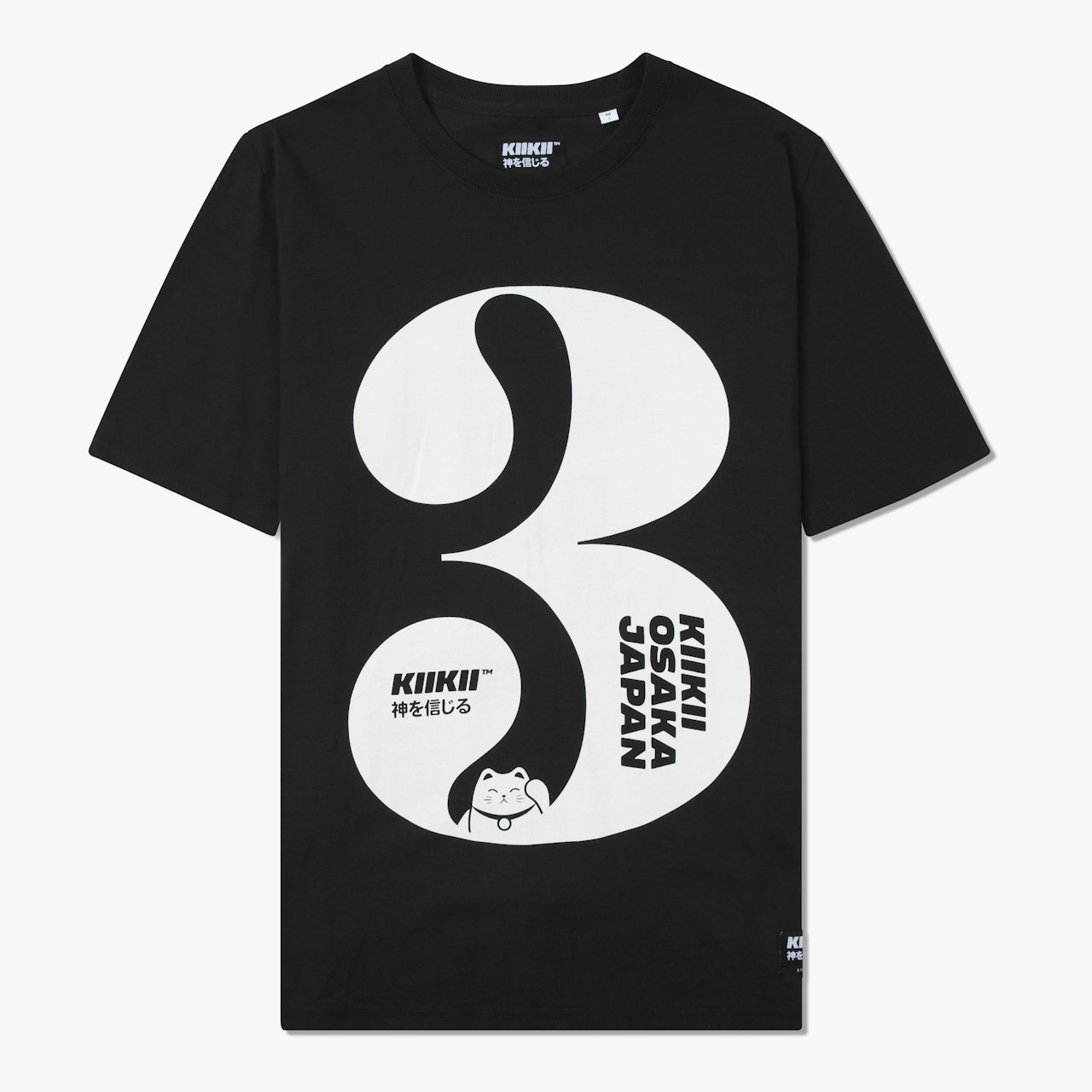
Large block numbers, player names and simple one-colour logos have no tiny parts that could move. Here the carrier's grip is not needed, and NS offers the best combination of speed and price.
3. Smooth weeding of large areas
On a non-sticky carrier, big pieces of waste vinyl release easily. Weeding large, open designs is quick and clean.
Does the carrier affect durability?
No. Once the carrier has been removed, it plays no role in wash resistance. Durability depends on the vinyl formulation, the adhesive and correct application (temperature, time and pressure). Both ST and NS are industrial-grade films that withstand 50+ washes at 40 °C when applied correctly.
Cutting and weeding tips for each type
- Sticky (ST): weed immediately after cutting; the adhesive between carrier and vinyl can re-bond along cut lines if left for hours in a warm room.
- Non-sticky (NS): handle the weeded transfer gently and keep it flat. Use heat-resistant tape for positioning if the garment surface is slanted.
- For both: use a fresh 45° blade, test cut first, and keep the cutting mat clean.
Our recommendation
Many professional shops stock both. Use ST for detailed, layered and small designs, and NS for production runs of bold graphics, names and numbers. If you are just starting and can only choose one, sticky HTV is the more forgiving option because it tolerates handling mistakes better.
Carrier behaviour on different cutters
Hobby cutters with a sticky cutting mat (Cricut®, Silhouette®) and professional roll-fed plotters (Graphtec, Roland, Summa, ePULS) handle carriers differently. On a mat, the carrier is held flat by the mat's adhesive, so both ST and NS track perfectly. On roll-fed plotters, the carrier must be stiff enough to be driven by the pinch rollers without wrinkling – both VENYL carriers are made from 75–100 µm PET for stable tracking over long jobs.
- Long names and numbers on rolls: NS is ideal – the smooth carrier feeds straight and the weeded waste lifts easily in large sheets.
- Mixed small graphics on a mat: ST keeps every tiny element in place when you lift the sheet from the mat.
- Contour cutting of printed PU: printable films use application tape instead of a carrier; see our Printable PU page.
Re-using a sticky carrier – the smart way
After pressing an ST design, the used carrier still has some tack left. Many decorators keep it and use it as an improvised transfer mask for small parts of other films: place the weeded pieces of a non-sticky layer onto the used sticky carrier, align them and press. This avoids buying separate transfer tape and keeps registration accurate. Only re-use a carrier once or twice – with every heat cycle it loses tack and can distort slightly.
Storage matters for both types
Carriers and adhesives react to heat and humidity. Store rolls upright or suspended in their original box, at 15–25 °C and 40–60% relative humidity, away from direct sunlight and radiators. Sticky carriers stored too warm can bond more strongly to the vinyl, which makes weeding harder. Non-sticky carriers stored in very dry air can build static and attract dust. Correctly stored, VENYL films keep their processing properties for at least 12 months.
Common mistakes to avoid
- Peeling a sticky carrier hot: ST is designed as a warm or cold peel. Pulling it hot can lift edges.
- Using NS for 5 mm text: tiny letters on a non-sticky carrier may shift during transport – use ST.
- Forgetting the cover sheet: both carriers protect the vinyl, but a PTFE sheet protects the carrier from sticking to the platen.
- Cutting through the carrier: too much blade force weakens the carrier and small parts fall off – always test cut.
Cost comparison in production
Material prices of ST and NS are very similar. The real cost difference is labour. In a typical team order with 100 back numbers, hot-peel NS saves roughly 5–8 seconds per garment compared with a cold-peel film – about 10–15 minutes for the job. For detailed logos, on the other hand, ST saves time in weeding and positioning and reduces rejects. Choose the carrier that minimises your total handling time, not just the price per metre.
The best way to decide is to test. Request free A4 samples of both series and cut the same design on each – within ten minutes you will know which carrier fits your workflow.
Ready to try? Request free samples or compare all VENYL series on our products page.