
Special-effect films turn a simple T-shirt into a statement piece. Glitter sparkles, holographic film shifts through the rainbow, and metallic foil looks like polished chrome. They are also the films that separate beginners from professionals: each behaves differently on the cutter and the press. This guide explains what makes each effect unique and how to use them in your designs.
Glitter HTV – texture and sparkle
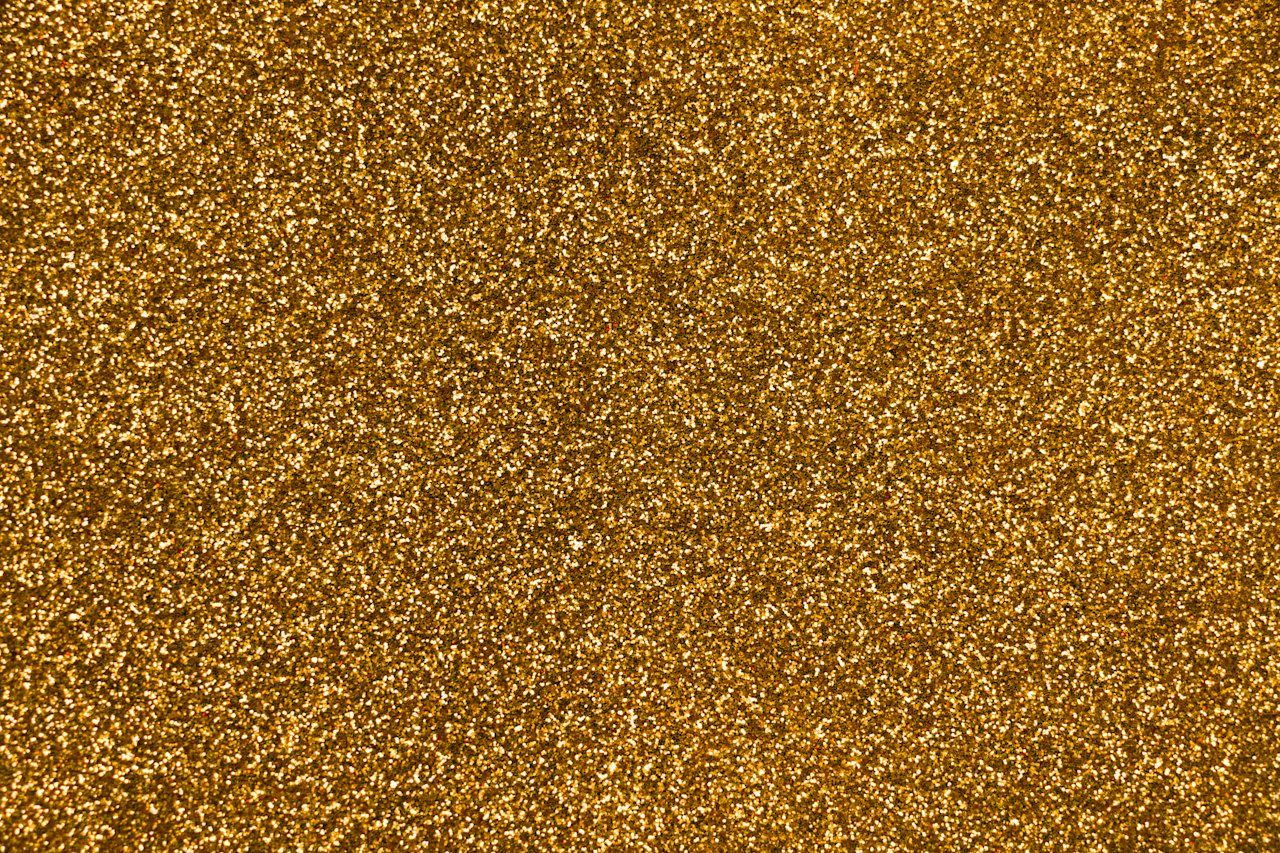
VENYL GT Glitter contains real glitter flakes embedded in a PU base. The result is a textured surface that catches light from every angle and hides small imperfections – which makes glitter surprisingly forgiving on the garment.
Best uses
- Cheer, dance and gymnastics apparel
- Kids' fashion and birthday shirts
- Accent layers on multi-colour designs
- Bags, pillows and home décor
Processing tips
- Glitter is thick: use a 60° blade, increase force and consider a double cut.
- Avoid tiny details – minimum stroke width 1.5 mm.
- Press at about 150 °C with firm pressure; peel warm.
- Glitter should always be the top layer – other films do not bond well on its textured surface.
Holographic HTV – light that moves
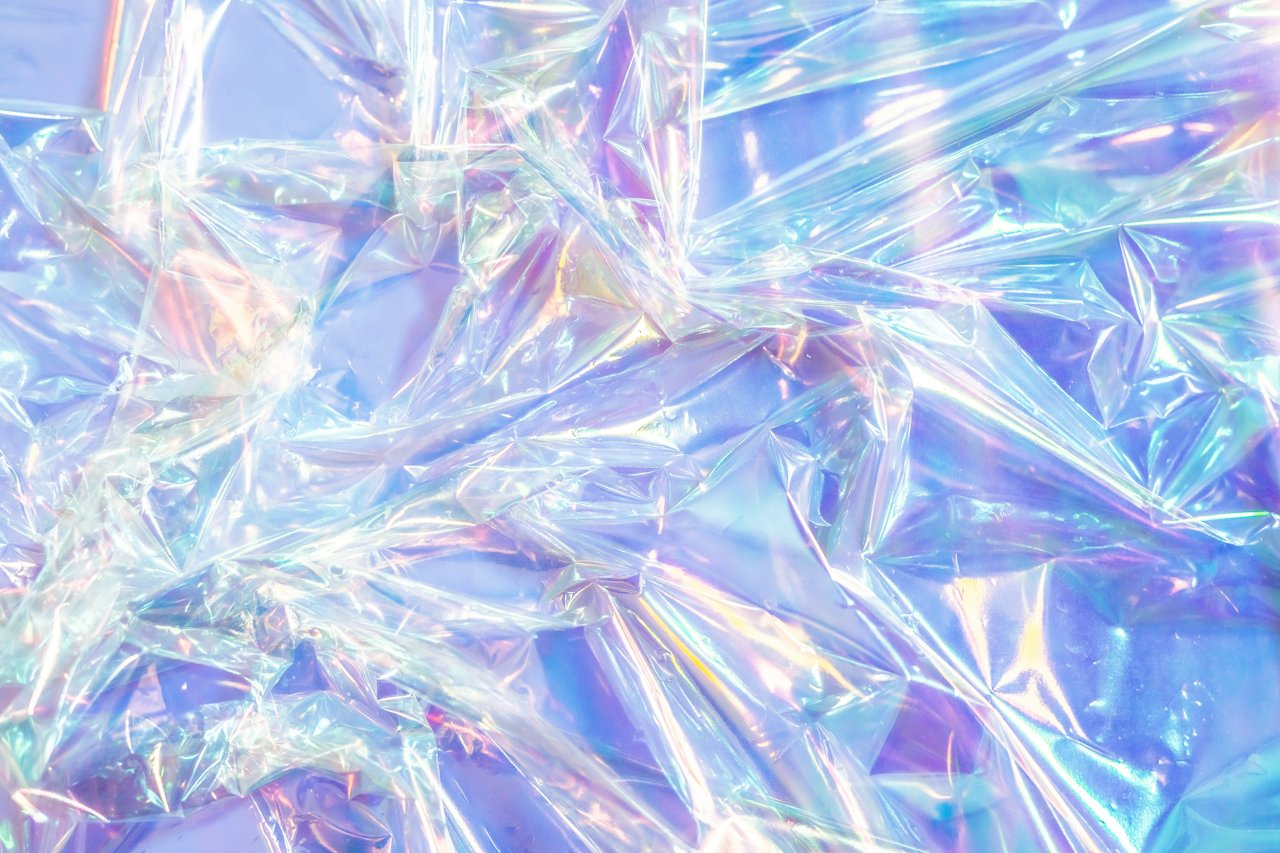
VENYL HL Holographic uses an embossed diffraction pattern that splits light into its spectral colours. As the wearer moves, the colours shift from blue to pink to gold. On black garments the effect is dramatic; on white or pastel fabrics it looks pearly and elegant.
Best uses
- Festival, party and club wear
- Sportswear accents and dance costumes
- Unicorn, mermaid and space themes for kids
- Limited-edition merch drops
Processing tips
- Cut with the shiny side down, slightly more force than standard PVC.
- Always press with a cover sheet – the reflective surface marks easily.
- Holographic film works as a top layer or as a base under simple matte shapes.
Metallic HTV – the premium chrome look
VENYL MT Metallic is a metallised PET film that creates a mirror-like finish in gold, silver, rose gold, copper and more. Nothing says "premium" like a gold foil logo on a black hoodie.
Processing tips
- Metallic foils are sensitive to over-heating – stay at 140 °C and 8–10 seconds.
- Scratches show: weed on a clean, soft surface and handle transfers carefully.
- Never iron directly on metallic designs; the shine will dull.
- Stretch is limited – avoid large metallic areas on highly elastic fabrics.
Quick comparison
| Glitter (GT) | Holographic (HL) | Metallic (MT) | |
|---|---|---|---|
| Look | Sparkly, textured | Rainbow, colour-shifting | Mirror-like, chrome |
| Thickness | Thick | Medium | Thin |
| Fine details | Limited | Good | Very good |
| Layering position | Top only | Top or base | Top preferred |
| Press | 150 °C, firm | 150 °C, medium | 140 °C, medium |
| Stretch | Low | Low | Low |
Design ideas that sell
Mix matte and effect
Effects look best in contrast. Combine a matte base layer (ST/NS PVC) with a glitter or metallic accent – for example, a black matte word with a gold metallic underline, or a white logo with holographic stars.
Knock-out layering
To keep the design soft and thin, cut the lower layer with "knock-outs" where the upper layer will sit. This avoids stacking three films on top of each other and reduces the risk of the upper layer lifting.
Less is more
Large solid areas of effect film feel heavy and less breathable. Use effects on outlines, key words and small graphic elements rather than full chest prints.
Layering sequence
- Press the bottom layer for 2–3 seconds only – just enough to tack it.
- Peel the carrier (cold if required) and position the next layer.
- Repeat for all middle layers with short presses.
- Place the effect layer on top and do the full press with a cover sheet.
- Post-press 3–5 seconds for a durable bond.
Combining effect films with self-adhesive products
Many shops offer matching items beyond apparel: tumblers, notebooks, gift boxes and signage. For hard surfaces, self-adhesive (permanent) vinyl is the right choice – HTV is designed for textiles only. When building a coordinated collection, choose effect colours that exist in both HTV and self-adhesive ranges, so your customers can order a hoodie and a matching bottle with the same holographic finish.
Photographing effect vinyl for your shop
Effect films are hard to photograph: glitter looks flat under direct flash, and holographic film can appear grey. Use soft side lighting, move the garment slightly to catch a rainbow reflection, and shoot a short video clip where possible. Showing the effect in motion sells effect products better than any static photo.
Pricing effect products
Effect films cost more per metre than standard PVC and require more careful handling. Customers are willing to pay a premium for sparkle and shine, so price effect designs 15–30% higher than standard single-colour prints. Offer effect accents as an upgrade option – e.g. "add a glitter outline" – to increase order values with little extra work.
Troubleshooting effect films
| Problem | Film | Solution |
|---|---|---|
| Incomplete cut, hard weeding | Glitter | More blade depth, 60° blade, double cut |
| Dull, cloudy surface | Metallic | Lower temperature, always use a cover sheet |
| Scratches after weeding | Metallic / holographic | Weed on a clean soft mat, handle by the edges |
| Upper layer lifts | Any on top of glitter | Never layer on top of glitter |
| Cracks on stretch fabric | Metallic / glitter | Use smaller effect areas or stretchable PU |
Seasonal ideas
- Christmas: gold metallic stars, silver glitter snowflakes, holographic names on stockings.
- Valentine's: rose-gold metallic hearts and pink glitter lettering.
- Summer festivals: holographic slogans on black tank tops and bags.
- Halloween: combine glitter with glow-in-the-dark accents for a surprise effect at night.
The golden rule of effect films: glitter never goes under anything, and metallic never meets the iron directly.
Browse the colour books of each series on their product pages and request samples to build your own swatch board – your customers will love choosing from real samples.